With the market crashing back to earth after 2021’s record peak, Google spent 2022 widening what ChromeOS could be: a rebrand, an operating system for other companies’ old laptops, and, most improbably, a serious run at PC gaming. Chapter fourteen of our Chromebook history series.
Chrome OS becomes ChromeOS
The smallest change first: in 2022 Google dropped the space, restyling “Chrome OS” as ChromeOS. Cosmetic, but deliberate: the one-word brand marked the OS as its own product rather than an appendage of the browser, arriving alongside Material You theming and a refreshed launcher. This series uses both spellings across chapters for a simple reason: that’s how history wrote them.
ChromeOS Flex: a second life for old PCs
The strategic move was ChromeOS Flex, launched in early access in February 2022 and stable that July. Flex was the productization of CloudReady (the OS from Neverware, a company Google had acquired in December 2020), and it let anyone install a certified, auto-updating version of ChromeOS on aging Windows laptops and Intel Macs, free.
The pitch worked on three audiences at once: businesses squeezing years from depreciated fleets, schools reviving donation hardware, and households with a drawer-bound 2014 laptop. Flex omits some Chromebook features (most notably Android apps and Verified Boot’s hardware guarantees), and our ChromeOS Flex vs ChromeOS comparison maps the differences. But as a Trojan horse for the platform (and, later, a genuinely useful answer to Windows 10’s 2025 end-of-support), Flex became one of Google’s smartest quiet products.
The gaming dream
Then the strangest chapter: Google decided Chromebooks should game. The effort ran on two tracks:
- Steam on ChromeOS. Project “Borealis” shipped as an alpha in March 2022, then a beta that November: the full Steam client running in a dedicated Linux VM (the same architecture family as Crostini), with Proton translating Windows games. It required high-end hardware (Core i5, 8GB RAM minimum), which described almost no Chromebooks anyone owned.
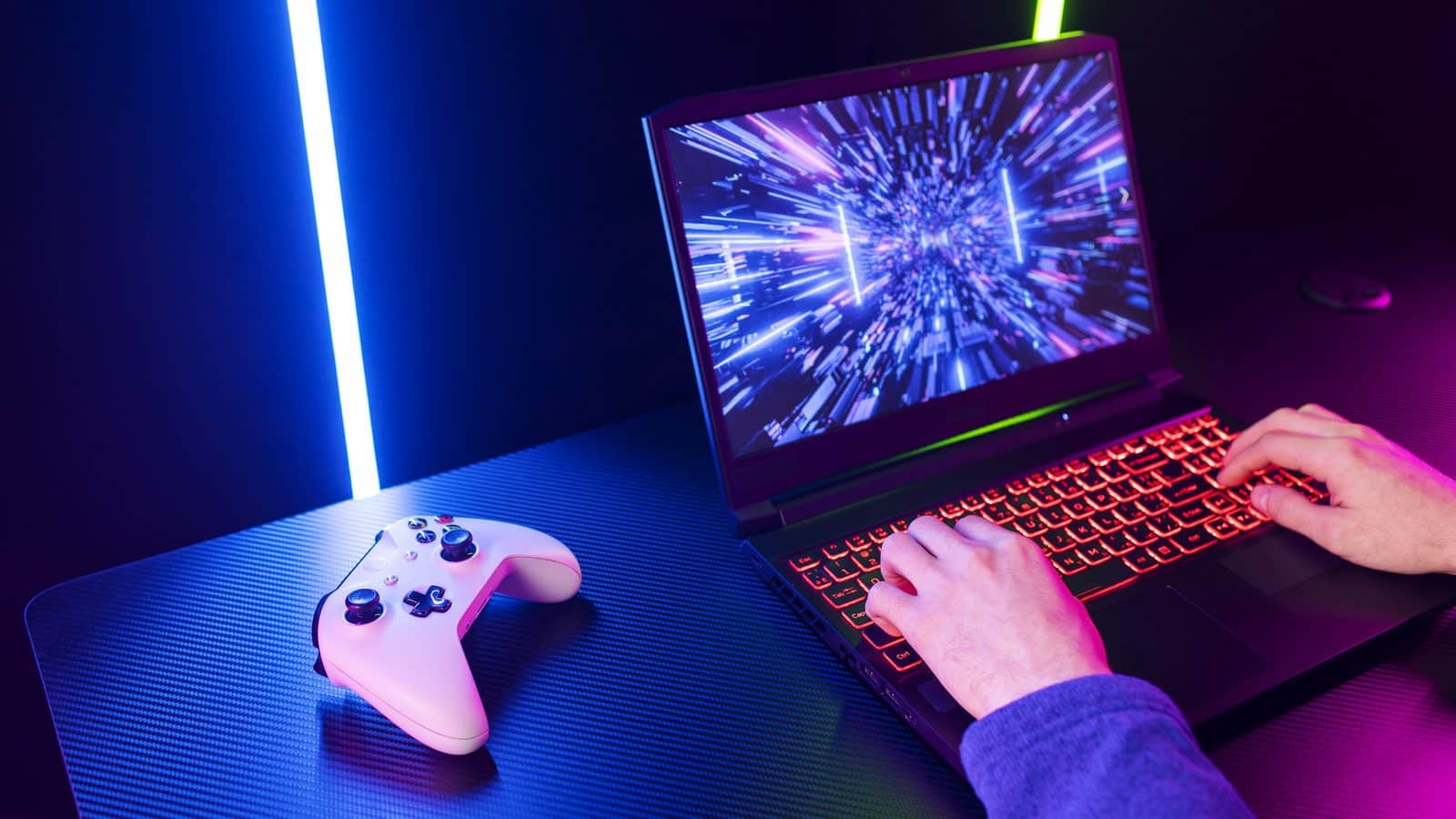
- Cloud-first gaming Chromebooks. In October 2022, Acer (Chromebook 516 GE), ASUS (Vibe CX55 Flip), and Lenovo (IdeaPad Gaming Chromebook) shipped machines with 120Hz displays, anti-ghosting RGB keyboards, and mid-range specs, built not to run games locally but to stream them beautifully via GeForce Now and Xbox Cloud Gaming.
The cloud track aged well: streaming remains the practical way to game on a Chromebook, as our guides to GeForce Now and Xbox Cloud Gaming show, with a few ChromeOS flags to smooth the stream. The Steam track did not: the beta never left beta, and its quiet shutdown in January 2026 is a story for chapter twenty-two.
Why it still matters today
2022 was ChromeOS at its most expansionist: same OS, three new fronts. Flex permanently widened the install base beyond Chromebook hardware and gave the platform its best sustainability story. The gaming hardware push, even with Steam’s eventual failure, raised the ceiling on Chromebook specs (120Hz panels, better thermals, real RAM), feeding directly into the premium baseline that 2023’s Chromebook Plus would formalize. And the rebrand-plus-Material-You year marked ChromeOS visually diverging from the browser while architecturally drifting toward Android, the tension the merger would eventually resolve.
FAQ
When did Chrome OS become ChromeOS?
In 2022, Google began officially styling the name as one word, coinciding with the Material You visual refresh. Same OS, new branding.
What is ChromeOS Flex and is it free?
Flex is Google’s free, installable version of ChromeOS for existing Windows PCs and Intel Macs, launched in 2022 from the acquired CloudReady product. It lacks Android app support and some hardware-tied security features of true Chromebooks.
Could Chromebooks really run Steam games?
On the handful of high-spec models in the beta, yes, many titles ran via Proton, with compromises. The beta was never promoted to stable and was discontinued in January 2026. Cloud streaming was and remains the realistic option.
Were gaming Chromebooks a gimmick?
Half of one. As local gaming machines, yes. As cloud-gaming terminals — high-refresh screens, great keyboards, strong Wi-Fi — they were honest products, and the 516 GE earned real recommendations.
Next in the series: Google draws a line through the lineup: Chromebook Plus, and a ten-year update promise nobody saw coming.