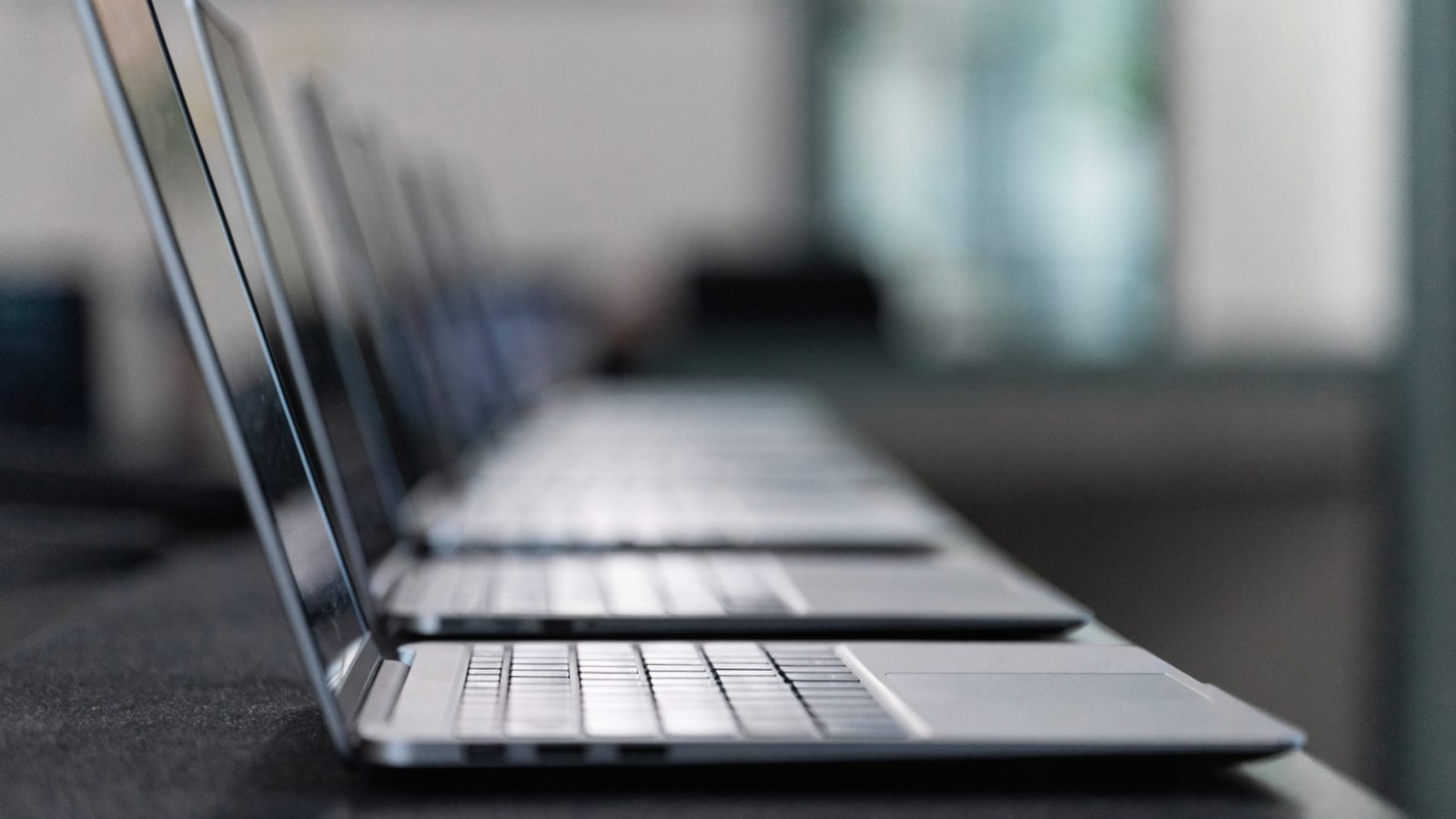
Sixteen years after an unbranded black test laptop introduced the world to ChromeOS, Google stood onstage again with new laptop hardware and a new operating system. Chapter twenty-three of our Chromebook history series covers the day the merger got a face: the Googlebook.
May 12, 2026: the reveal
The venue was fitting: The Android Show: I/O Edition, because this was an Android story now. The Googlebook is the public debut of Aluminium OS: the “ChromeOS experience re-baselined on Android” that Google had promised, with the full Chrome browser and the Play Store native to the system, and Gemini woven into the OS layer rather than bolted on. What job listings had described as a system “built with AI at the core” now had hardware, a launch window (Fall 2026, with first-wave devices expected between September and November), and a price of admission for the whole PC industry’s attention.

The launch coalition
The partner list told the strategic story. Five OEMs for the launch wave: Acer, ASUS, Dell, HP, and Lenovo, the same industrial base that built the Chromebook ecosystem, now enrolled in its successor. (Dell’s presence was notable: it had drifted from consumer Chromebooks, but a new platform reshuffles every deck.) Silicon came from Intel, Qualcomm, and MediaTek, the x86-and-ARM pluralism that has defined Chromebook silicon since 2012 carried straight into the new era. And the name itself (Googlebook, first-party branding on partner-built hardware) echoed the reference-device playbook running from the Pixel through the Pixelbook: Google defining the standard, OEMs carrying the volume.
The pitch: a third way against Windows and Mac
Google’s framing aimed higher than the Chromebook ever officially did: a genuine challenge to the Windows-macOS duopoly, built on the argument that the next computing platform should be organized around AI rather than retrofitted for it. Gemini in the system layer means the assistant sees across apps, not just tabs; the Play Store means a mature app catalog on day one; Android’s developer base means the ecosystem problem that haunted every alternative OS (including early ChromeOS) starts largely solved.
The skeptic’s checklist is equally clear, and this series has covered every item on it: can Aluminium OS reproduce ChromeOS’s stateless multi-user logins, self-healing updates, and console manageability: the properties that won schools and enterprises? Court filings suggest the full maturity runway stretches toward 2028; the Fall 2026 wave is a beginning, not a verdict.
And the Chromebook?
Google’s message stayed consistent: Chromebooks continue. New ChromeOS models launched at CES 2026 and beyond; existing devices keep their AUE update commitments; the two lines coexist while Aluminium OS proves itself. What that coexistence means for your current device and your next purchase is exactly the question our next chapter tackles.
Why it still matters today
The May reveal ended the speculation era. The platform this series has followed (from a browser bolted to a netbook, through classrooms, pandemics, and AI keys) now has a named successor with a shipping date. The odyssey’s central irony holds to the end: the 2009 bet that the browser was enough succeeded so completely that its own descendant now ships the browser as one component of something bigger.
FAQ
What is the Googlebook?
Google’s new laptop platform, unveiled May 12, 2026: hardware from five OEM partners running Aluminium OS, the Android-based system with the full Chrome browser, Play Store, and Gemini integrated at the system level. First devices ship Fall 2026.
What is Aluminium OS?
The merged operating system that resulted from the Android-ChromeOS unification: Android’s technical foundation carrying a desktop, ChromeOS-style experience, designed AI-first. The name surfaced via Google job listings in late 2025.
Who is making Googlebooks?
The launch wave comes from Acer, ASUS, Dell, HP, and Lenovo, with Intel, Qualcomm, and MediaTek confirmed as chip partners.
Does the Googlebook replace the Chromebook?
Not immediately. Google has confirmed new Chromebooks continue to launch and existing ones keep their update commitments. The lines coexist through the transition — the long-term convergence is covered in our next chapters.
Next in the series: the question every reader actually has — what happens to YOUR Chromebook now?



LOG 1 report